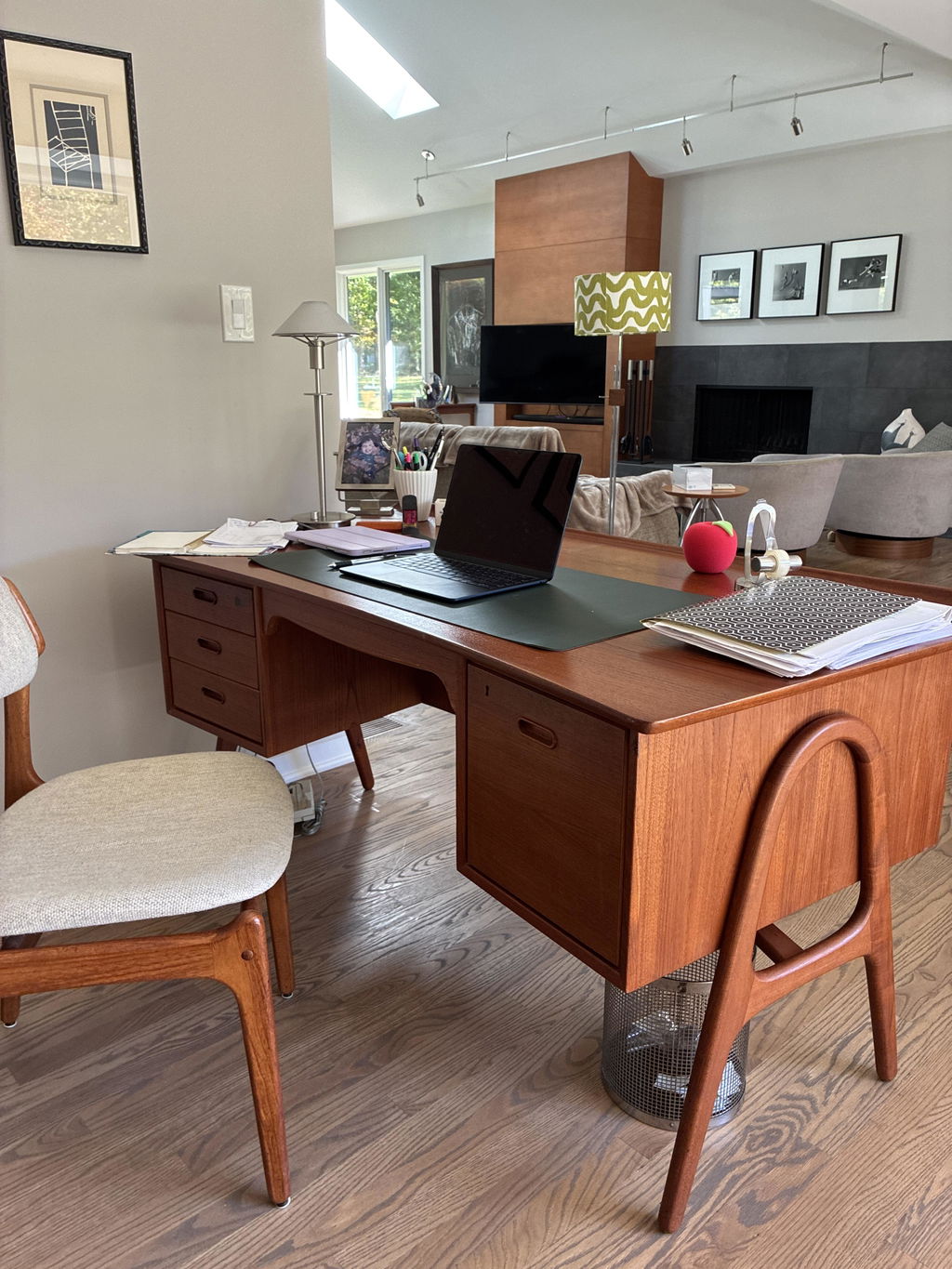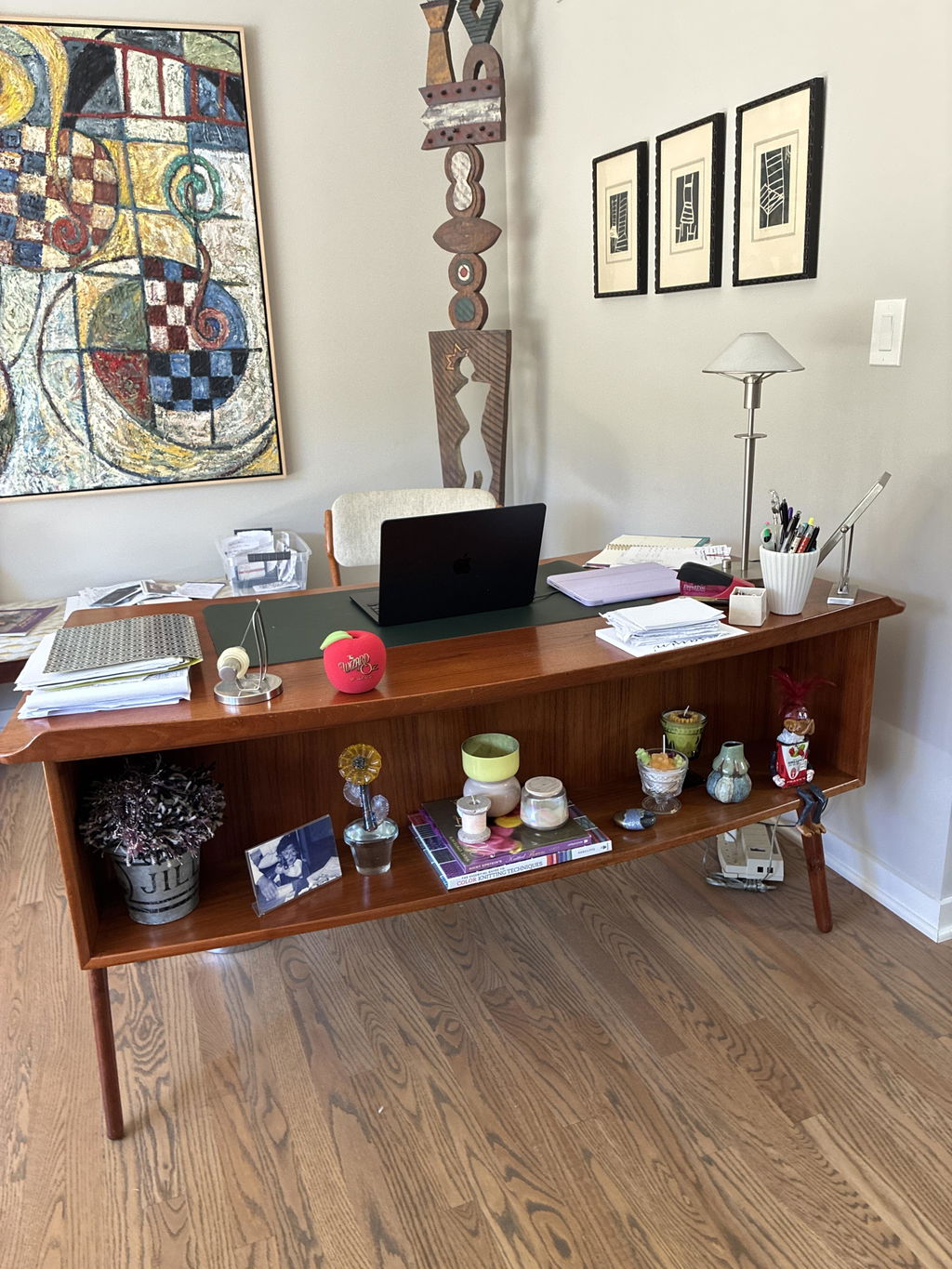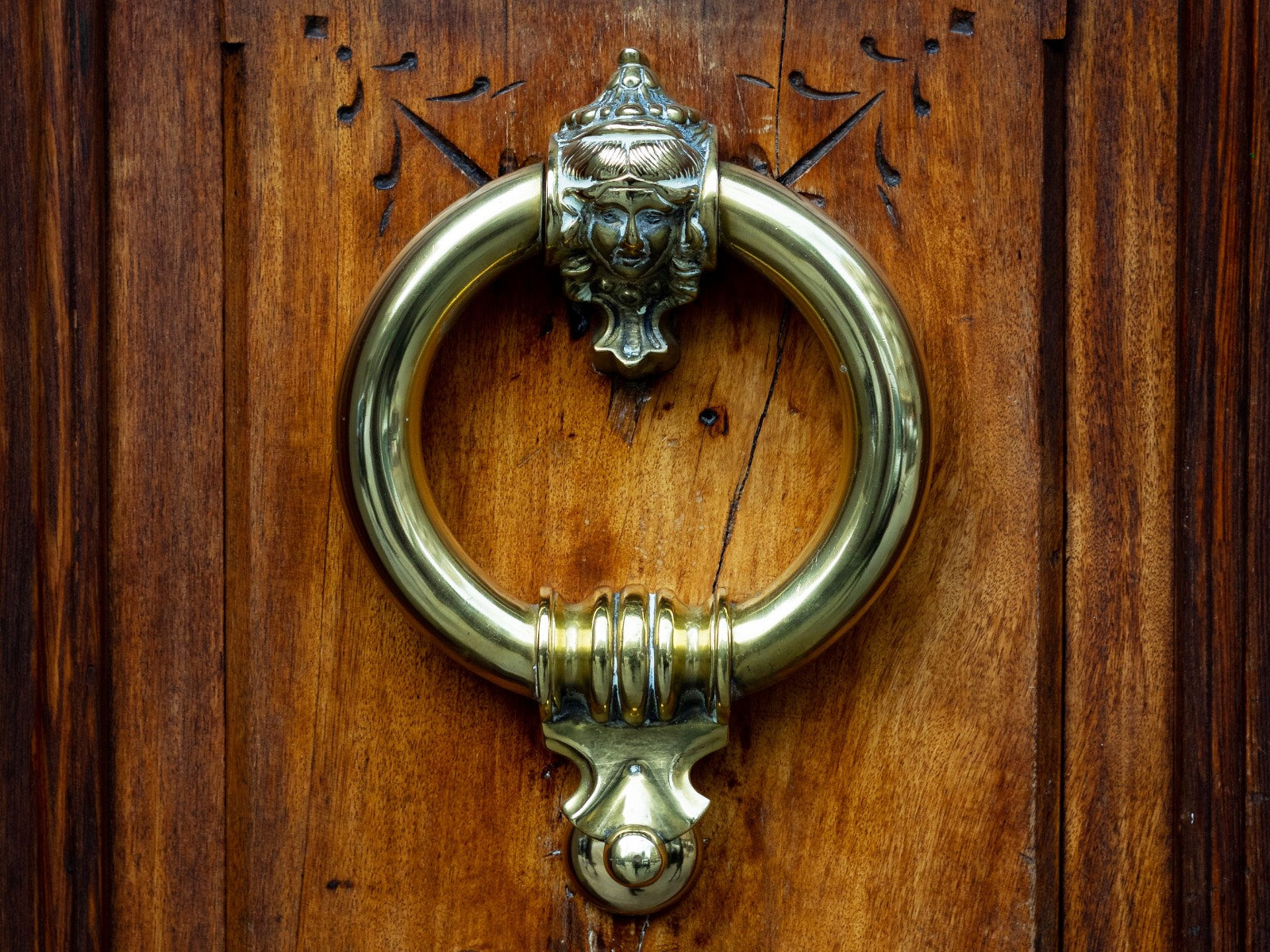
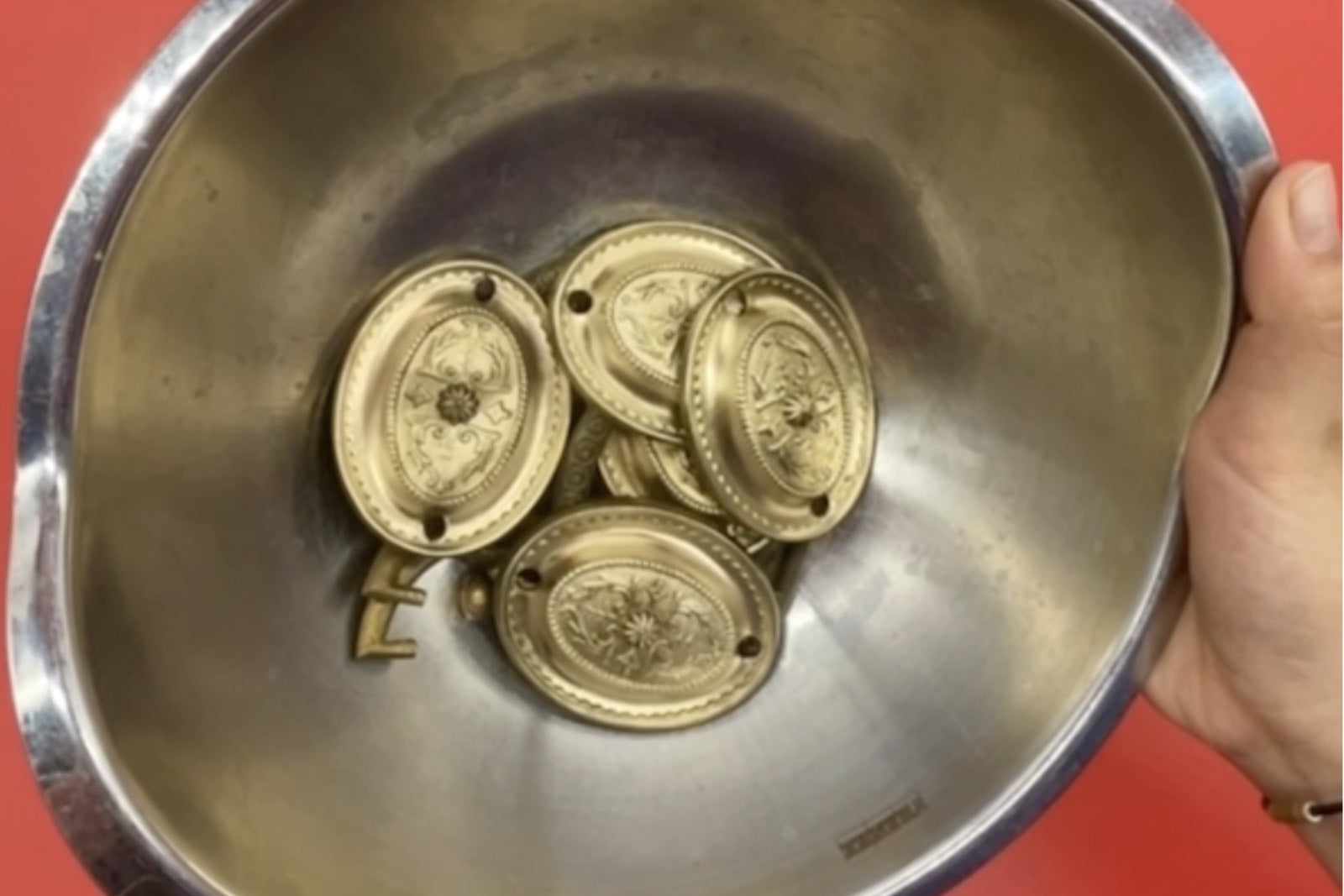
Original brass hardware is one of the easiest things to ruin on a good restoration — and one of the easiest things to get right, once you know the difference between cleaning and stripping. That soft, uneven glow on a set of vintage drawer pulls didn't happen by accident; it's decades of handling, air, and oxidation, and it's exactly what tells a buyer the piece is real. The goal on any restoration isn't to make the hardware look new. It's to make it look clean and cared for.
Polished-to-perfection brass looks like a reproduction. Cared-for brass looks like it has a history worth keeping.
Know what you're looking at first
Before touching a single pull, figure out whether the hardware is solid brass or brass-plated. Solid brass will feel heavier for its size and won't show a different-colored metal underneath if it's scratched. Plated hardware, common on more budget mid-century pieces, will reveal a dull grey or copper tone under any scratch or worn edge — and aggressive cleaning can strip the plating entirely, which no amount of polish will fix.
Clean before you decide anything else
Most hardware that looks "ruined" is really just dirty. A soft brush, warm water, and a small amount of mild dish soap will lift decades of grime without touching the underlying patina. Let it dry completely before deciding whether further work is even needed — a surprising number of pieces look dramatically better after nothing more than a gentle wash.
- Skip the vinegar and ketchup tricks. These household hacks can strip patina fast and unevenly, leaving blotchy bright spots that are far harder to fix than tarnish ever was.
- Use wire brushes and steel wool with caution. Both leave fine scratches that catch tarnish faster than the original surface did, aging the piece unevenly within months. If you do decide to go ahead with an abrasion method, you will get good results using a nailbrush or toothbrush and barkeepers friend.
- Dry it immediately. Brass left damp or with water drops will develop new, blotchy tarnish within hours — always finish with a soft, dry cloth.
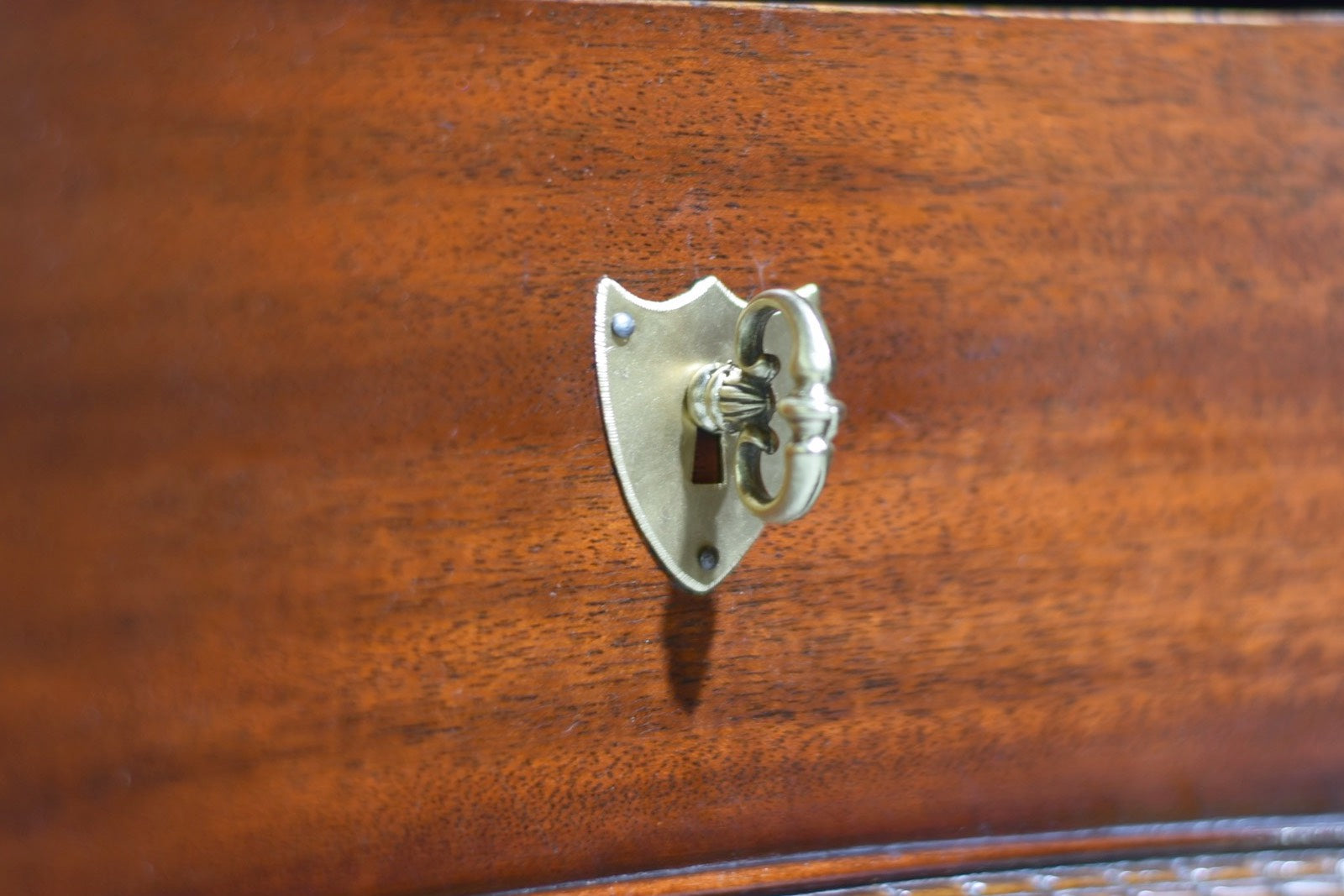
When (and when not) to polish
Polish has its place. If a piece is going into a bright, modern setting where the client wants hardware that reads clean and current, a light polish on just the raised, most-handled areas can freshen it up while leaving the recesses dark — mimicking the natural wear pattern the piece would have anyway. Full, even polishing across every surface is what makes hardware look nearly new.
Protecting the finish once you're happy with it
Once hardware looks the way you want it, a thin coat of a museum-grade wax or a light machine oil applied with a soft cloth will slow new tarnish without sealing in a shine that reads plastic. This step matters most on pieces headed somewhere humid, where bare brass will re-tarnish within weeks.
A note for designers sourcing for clients
Clients often ask for hardware to be "polished up," assuming shinier automatically means better restored. It's worth setting that expectation early — explaining that retained patina is a marker of authenticity, not a flaw, tends to shift the conversation from "make it new" to "make it right," and gives you language to defend the piece's character in the final install.
Firebird Furniture restores every piece with an eye for what should be preserved, not just what can be polished.