
Finding the piece is the easy part. The gap between "I love this" and "this is in my living room" is where most first-time overseas buyers get stuck — not because the process is complicated, but because nobody explains it up front. Shipping and customs work differently depending on where a piece is coming from and what it's made of, and knowing the rules before you buy changes what's actually worth bidding on.
"The price on the tag is never the price you pay — shipping and customs decide whether a great find was actually worth it."
Shipping: consolidation vs. dedicated freight
Most vintage furniture travels one of two ways, and the choice mostly comes down to how much you're bringing home at once.
- Consolidated shipping. Your piece shares container space with other buyers' purchases, coordinated by a shipping agent (many European markets and fairs have agents on-site or on call). Slower and less predictable on timing, but far cheaper for one or two pieces crossing the Atlantic.
- Dedicated freight. A single piece or small group ships on its own pallet or crate. Faster and safer for anything fragile or high-value, but the cost only makes sense once you're buying enough to justify it.
Either way, insist on proper crating for anything with veneer, marquetry, or glass — padded blankets are fine for a short domestic move, not for weeks in a shipping container.

Customs: what actually determines the duty
Genuine antiques — pieces demonstrably over 100 years old — are classified under U.S. Harmonized Tariff Schedule heading 9706, which has historically entered the country duty-free under the base rate. You'll need documentation supporting the age, not just a dealer's word, since it's U.S. Customs and Border Protection that has to be satisfied, not the seller.
That said, treat any specific percentage you read — including in older posts like this one — as provisional. Broader U.S. tariff policy has been unusually volatile: a set of reciprocal tariffs applied through 2025 added significant duty on top of imports from many countries, including antiques, before the Supreme Court struck that program down in February 2026. Replacement tariffs and trade actions have followed, and more could come. The practical takeaway: get a landed-cost estimate from your shipping agent or a customs broker before you commit to a purchase, not after, since the gap between "duty-free antique" and "tariffed import" has genuinely moved more than once in the last year.
One thing that doesn't change: the U.S. has no import VAT the way the EU and UK do. Depending on your state, you may owe sales or use tax when the piece is delivered, but that's separate from anything charged at the border.
Wood species: CITES and the Lacey Act
If a piece uses rosewood, kingwood, or similar restricted woods — common in French furniture and some mid-century case goods — it can fall under CITES international trade rules regardless of where it's shipped. The relief most buyers don't know exists: finished furniture containing 10kg or less of the restricted wood per shipment is exempt from needing a CITES permit. Since veneer is thin, this covers most veneered pieces without issue — it's solid rosewood furniture over that weight threshold where you actually need to ask the seller for paperwork before you buy, not after.
Importing into the U.S. adds a second, separate layer: the Lacey Act requires a plant/wood declaration (a PPQ 505 form) for furniture containing plant material, under a phased implementation schedule that now covers most furniture categories. Unlike the antiques duty exemption, there's no age-based exception here — a genuinely antique piece still needs the declaration if it's covered by the current phase, so build the extra paperwork into your timeline rather than assuming "it's 100 years old" covers it.
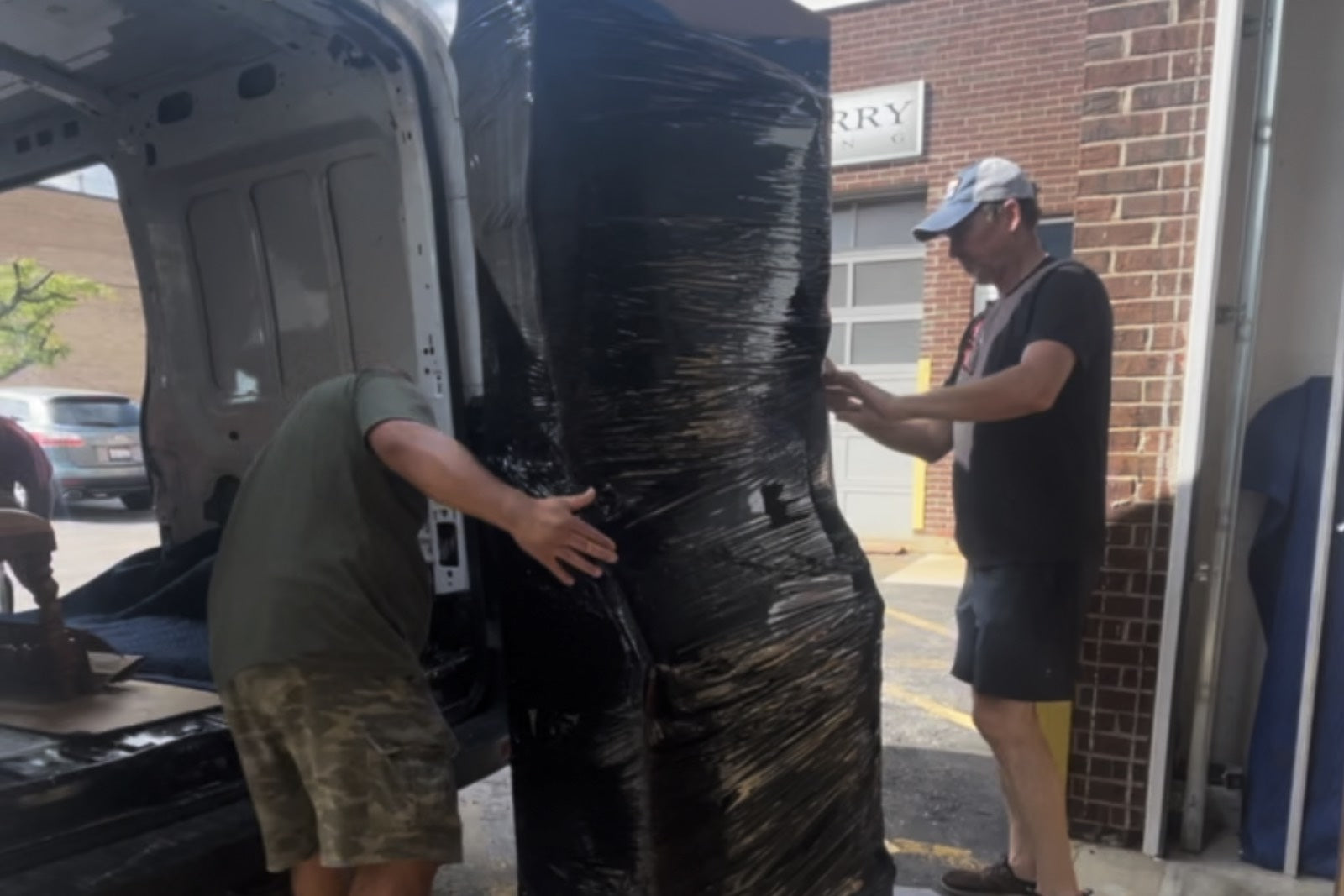
A note for designers sourcing for clients
Build shipping, duty, and any applicable tariffs into the quote before the client sees a price, not after — a beautiful find that arrives with an unexpected customs bill erodes trust fast. Get a landed-cost estimate from your shipping agent before you commit to an overseas purchase, since duty, tariffs, and eventual state sales tax can meaningfully change what a piece actually costs once it's in the room. Given how much U.S. tariff policy has shifted recently, treat any rate you're quoted as a snapshot, and confirm it again close to your ship date.
Firebird Furniture handles sourcing, shipping, and restoration so the logistics stay off your plate.